
.png)
Samsung vs LG in 2026: The AI Giants Battle for Your Smart Laundry Room
Extreme Energy Efficiency: Pushing Beyond Class A
By 2026, a standard Class A rating is the baseline. Manufacturers now focus on optimizing consumption. Samsung and LG compete using software and sensors to minimize water and power usage.
- Samsung Bespoke AI: Reaches an impressive Class A-65% efficiency, using 65% less energy than standard Class A requirements. This is achieved via Ecobubble technology (pre-mixing detergent with air at low temperatures) and smart algorithms that customize washing based on user habits.
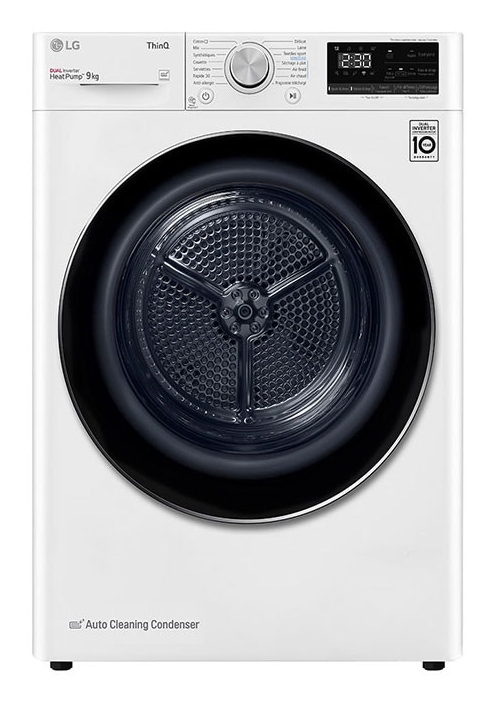
- LG ThinQ AI: Delivers a highly efficient Class A-60% rating. Its design relies on a durable inverter motor and precise auto-dosing to prevent excess suds, which typically waste extra water during the rinse cycle.
The Sensor Battle: Fabric and Motion Detection
Smart detection is more precise than ever. Modern washers don't just weigh the load; they analyze fabric thickness and softness to customize the wash cycle.
- Samsung (AI Wash+): Uses advanced sensors to detect 5 fabric categories (denim, outdoor, towels, delicates, cotton). A turbidity sensor monitors water cleanliness in real-time to extend or shorten the rinse cycle automatically.
- LG (AI DD): Features 6 Motion Direct Drive technology. The direct-drive system uses AI to detect weight and fabric stiffness, selecting the best combination among six drum movements (scrubbing, rolling, stepping, tumbling, filtration, swing) to minimize fabric wear.
Reliability and Maintenance: Customer Service Reality
Beyond marketing specs, post-purchase maintenance is key. Samsung offers a 20-year Digital Inverter motor warranty, but its local service network can be limited in certain areas.
Conversely, LG maintains an excellent reliability rating for its direct-drive motor. Its larger network of technicians ensures easier access to replacement parts, providing solid long-term peace of mind.
User Interface: LCD Touchscreen vs Digital Dial Control
The brands approach control panels differently:
- Samsung AI Home: Features a large 7-inch LCD touchscreen. The panel displays favorite cycles in a carousel format and acts as a control center for other smart devices in the home.
- LG LCD Digital Dial: Keeps a rotating tactile dial with an integrated high-definition LCD screen, offering a traditional yet modern user experience.
Both systems include the Auto Open Door+ feature, which slightly opens the door at the end of the wash to release humidity and prevent musty odors.
Smart Ecosystems: SmartThings vs ThinQ
Your smart home ecosystem should guide your choice:
- Samsung SmartThings: Highly open, supporting the universal Matter standard, making it easy to link with thousands of third-party devices.
- LG ThinQ: More proprietary but deeply integrated. The ThinQ UP platform allows over-the-air (OTA) updates to add new specialty cycles after purchase, alongside proactive maintenance alerts.
Hisense Alternative: ConnectLife™
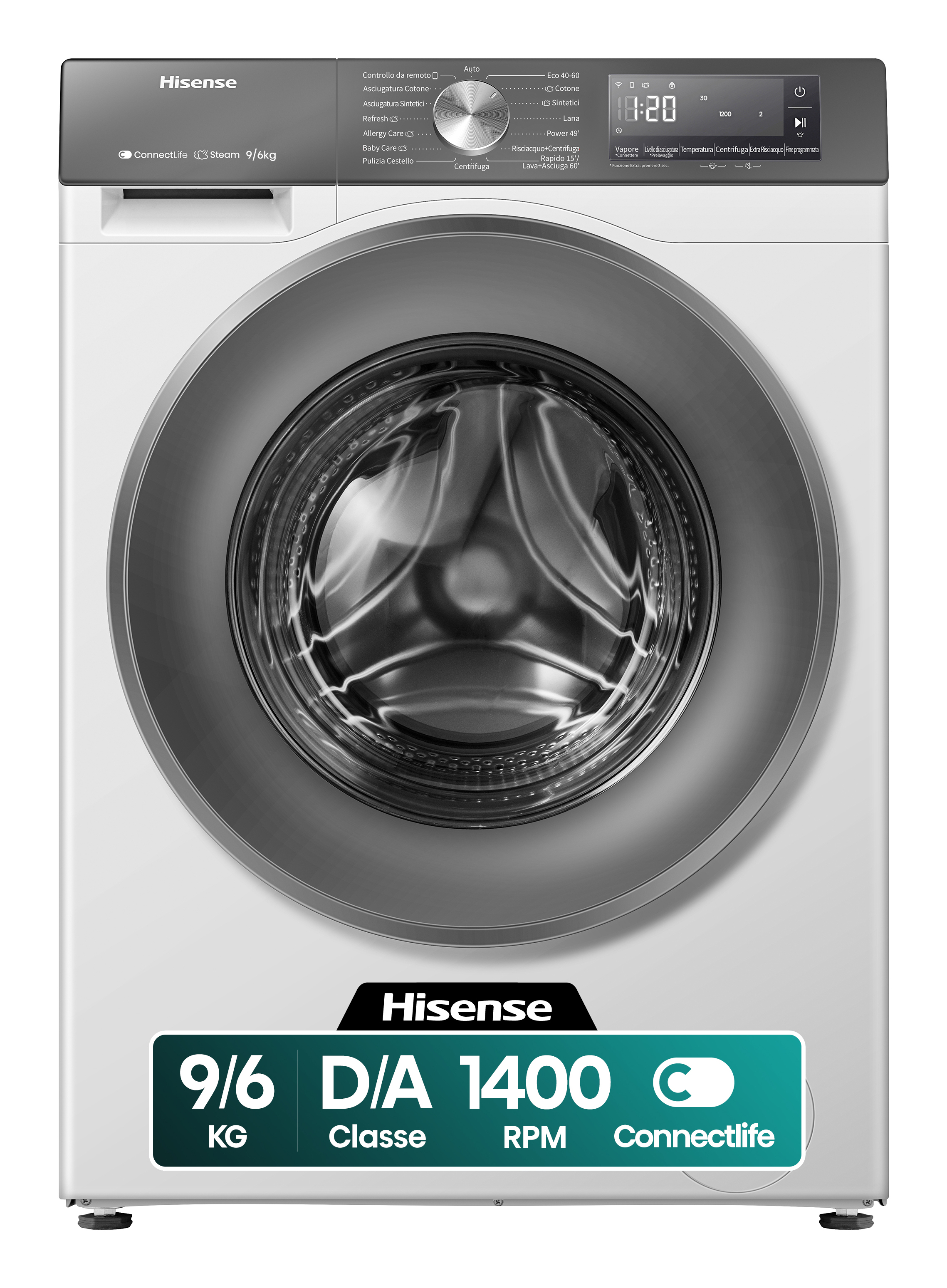
For budget-conscious buyers, Hisense offers ConnectLife™. It provides simple Wi-Fi setup directly from the machine's display without requiring a smartphone for the initial pairing.
Verdict 2026: Which Machine Fits Your Profile?
- Choose the Samsung Bespoke AI if you want advanced smart home integration, the SmartThings ecosystem, and maximum energy savings.
- Choose the LG ThinQ AI if you prioritize fabric protection with specialized drum movements, a simple dial interface, and proven mechanical durability.