
.png)
Samsung Bespoke AI vs LG ThinQ AI: Which is the Best Smart Dryer in 2026?
State of Play: The Rise of Smart Drying
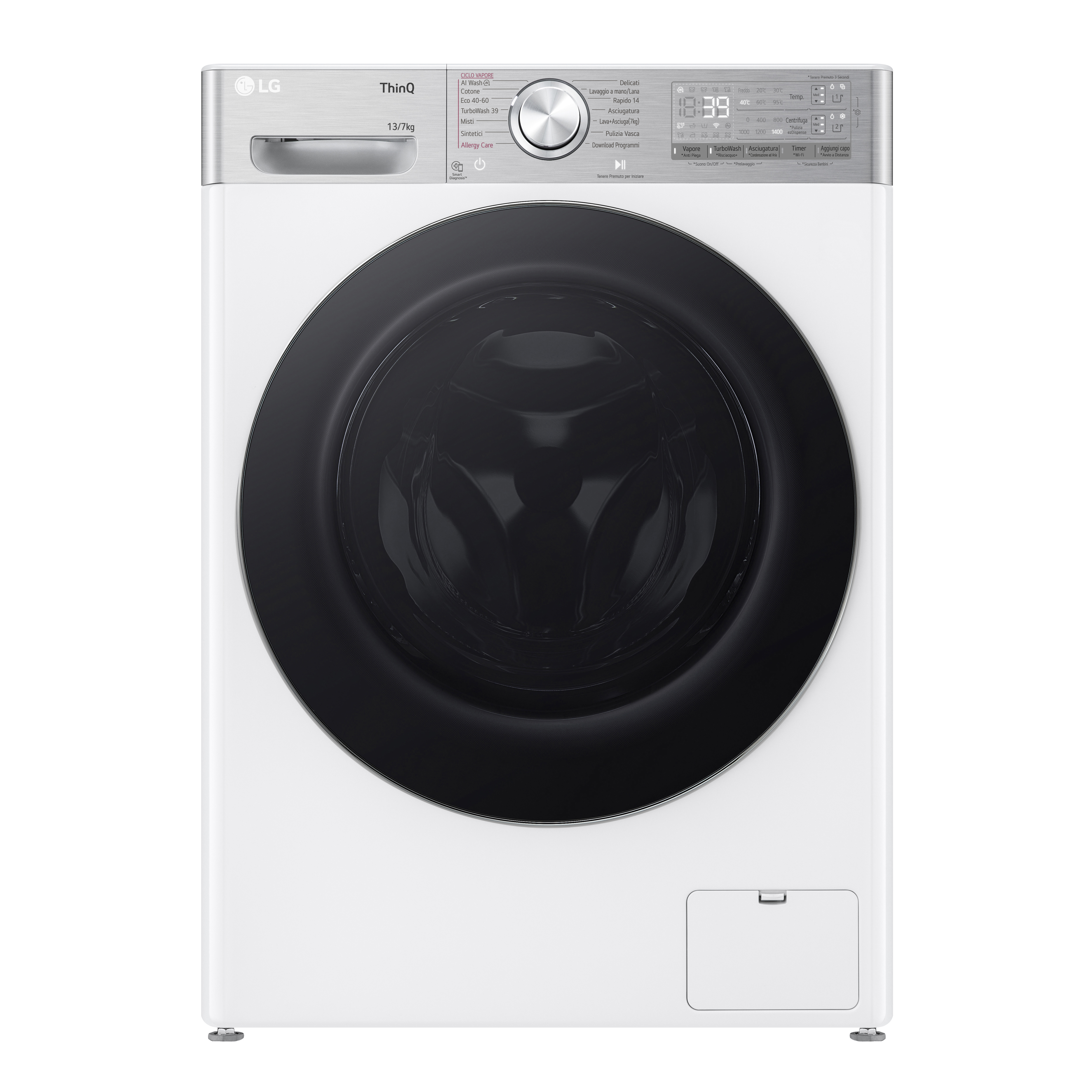
In 2026, home appliances have evolved far beyond simple connected gadgets. The global market, driven by explosive growth toward $25 billion by 2030, now demands real cycle autonomy. We are no longer in the era of just launching a cycle from a smartphone; today's stakes are about algorithmic optimization to preserve fabrics and maximize energy efficiency. In this head-to-head battle, two visions clash: the Samsung Bespoke AI range, a true home tech hub, and the LG ThinQ AI series (notably the RH90V9PV8N model), which bets on mechanical excellence and automated maintenance. The choice is no longer just about price, but about software integration and real-world durability.
Design and Ergonomics: Minimalism vs. Futurism
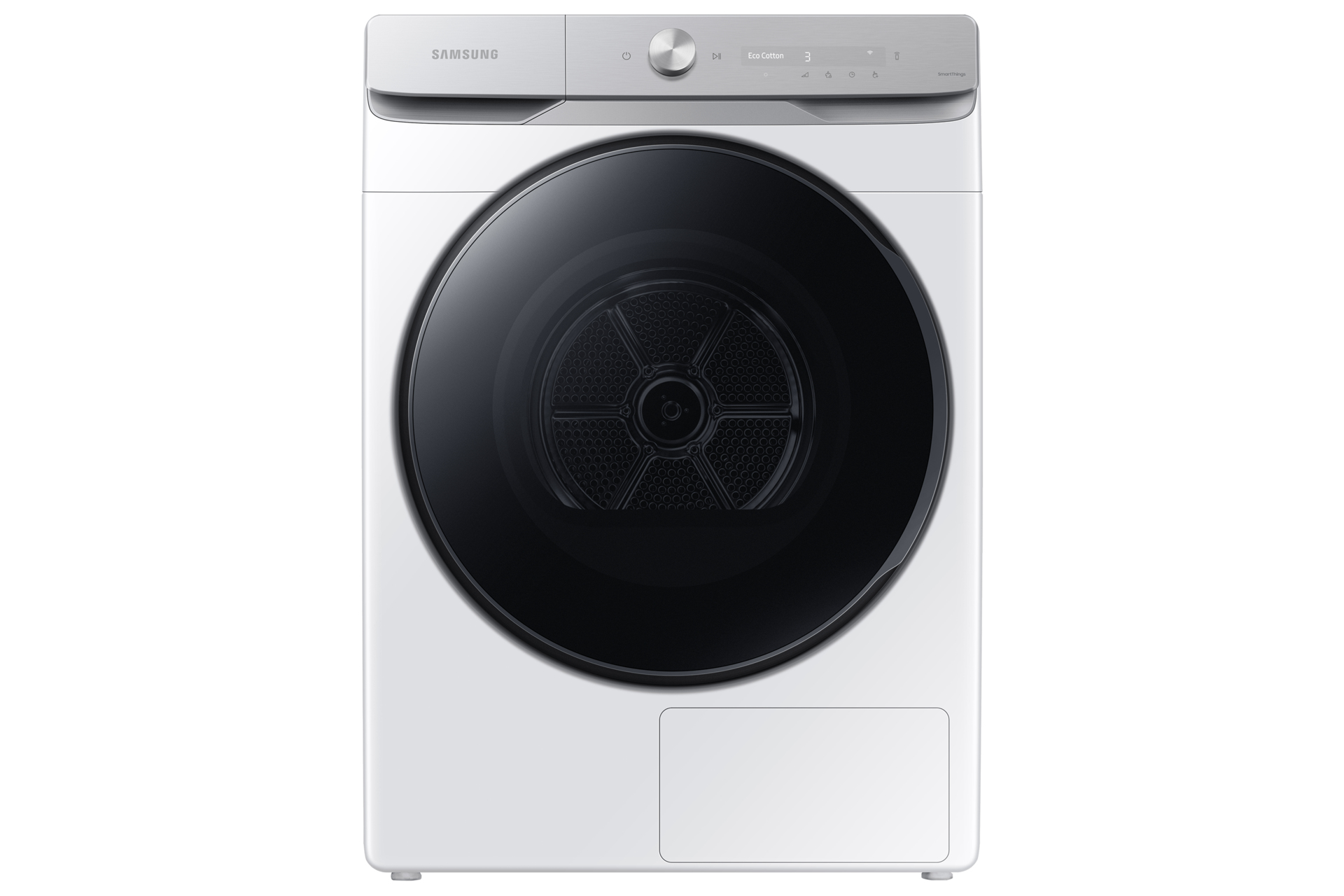
The design of 2026 meets a major constraint: integration into open living spaces. Samsung imposes its flat-panel style with the Bespoke line. Its scratch-resistant tempered glass door and absence of protruding buttons turn it into a piece of furniture. Samsung's key asset is its 7-inch AI Home screen, a control center for the entire smart home (SmartThings), even allowing content viewing while the laundry turns.
Conversely, LG's Glossy Black Steel style cultivates a more traditional but refined tech aesthetic with LED controls and blue drum lighting. On the interface side, Samsung uses the AI Smart Dial, a single knob that learns your habits over 30 days, while LG offers a very efficient hybrid panel (physical and touch keys).
In terms of dimensions, an important detail: while Samsung offers a closet-depth design for easy alcove installation, the LG RH90V9PV8N model has a real depth of 660 mm (66 cm). This is a critical point to check before buying to avoid bad surprises in tight laundry rooms.
Artificial Intelligence and Drying Performance
AI in 2026 is the protector of your wardrobe. For Samsung, this is driven by AI Dry+, a technology capable of detecting four textile types (normal, jeans, towels, synthetics) to adjust the air flow. LG, for its part, exploits its expertise with the Dual Inverter HeatPump (dual-compressor heat pump).
What this means for you: LG achieves record A+++ efficiency with stabilized annual consumption at 194 kWh. This ensures a gentle drying process that does not 'cook' fibers, unlike older models.
| Technology | Technical Approach | Cycle Time (est.) |
|---|---|---|
| Samsung Super Speed | High-pressure airflow & wide drum | < 1h (complete cycle if paired) |
| LG TurboWash 360 | 5 jets optimization (Wash) / EcoHybrid | ~30 min (normal wash cycle) |
While Samsung bets on raw speed with its Super Speed mode (ideal for busy families), LG prioritizes thermal precision. Note that Samsung allows, via the MultiControl function, controlling the dryer directly from the washer panel, a undeniable ergonomic benefit in a stacked configuration.
The Connected Ecosystem: SmartThings vs. LG ThinQ
The mobile app has become an organic extension of the hardware. Samsung SmartThings takes the lead on energy management with AI Energy Mode, capable of reducing consumption by up to 35% via over-the-air (OTA) updates that optimize heating cycles in real time.
Meanwhile, LG ThinQ shines through Smart Pairing: synchronization is total between washer and dryer. Concrately, as soon as your wash ends, the dryer already prepares the optimal program based on what was just washed. Notifications are also more granular, alerting precisely on tank levels or the need for a maintenance cycle.
Maintenance and Reliability: Avoiding the Fatal Error
This is where the longevity of your investment is decided. Technicians on specialized forums (especially Reddit) are unanimous: lint accumulation is the 'fatal error' that suffocates heat pumps.
LG holds a major competitive advantage here with its Self-Cleaning Condenser. The system uses water jets to automatically clean the condenser during the cycle. Samsung offers an EasyClean system with a high-performance 2-in-1 filter, but this remains manual maintenance: if you forget to clean it, performance collapses.
On the warranty front, Samsung hits hard with 20 years on the Inverter motor, compared to 10 years for LG. However, be sure to read the fine print: this warranty covers the part, but not labor or condenser clogging, which remains the main cause of failure. Regular maintenance therefore remains essential, even on high-end models.
Real-world Measurements and Comfort of Use
Silence is the new luxury. In our acoustic measurements, LG stands out with only 62 dB, while Samsung hovers around 64 dB. Why this changes everything: in a modern apartment, this 2 dB difference represents the boundary between an appliance you forget and a persistent background hum.
Regarding thermal protection, measurements validated the excellence of both brands. While some cheap combos heat up to 130°C, Samsung and LG heat pumps maintain a stable temperature between 35°C and 45°C. This is the secret to avoiding your wool sweaters coming out in toddler size.
Which Range for Which Profile?
The final choice depends on your lifestyle and tolerance for maintenance.
Choose Samsung Bespoke AI for: the futuristic interface and speed. If you want a machine that integrates like furniture, controlled via a tablet-like 7-inch screen, and if cycle speed is your priority, Samsung is unbeatable.
Choose LG ThinQ AI for: durability and acoustic comfort. With 62 dB and its self-cleaning condenser, it is the choice of reason for those who want to forget their machine. It is the ideal appliance for a quiet installation and maximum energy efficiency over ten years without technical intervention.