
.png)
Smart Home 2026: Which Robot Vacuum to Choose on a Budget?
The year 2026 marks the culmination of a massive technology transfer. What we once called "entry-level" has undergone a profound mutation, driven by supply chain maturity and price competition between Dreame, Roborock, and Ecovacs. Now, the sub-$500 segment is no longer a zone of compromise, but a market where LiDAR, self-emptying, and active mopping have become industry standards.
For users, the challenge is no longer finding a device that works, but deciding between specific technical designs: suction power versus battery runtime, or automated mopping versus chassis height. For a rational decision, the offer should be segmented into three tiers of technical needs.
The Budget Segment: Pure Suction
This segment targets simple environments (mostly hard floors) where users accept manually emptying the dust bin. In 2026, the major innovation here is the integration of high-performance suction sensors and mechanical anti-tangling combs.
Technical Analysis of Key Models
- Ecovacs Deebot N20: This standard model delivers 8,000 Pa. Its strength lies in its 5,200 mAh battery offering excellent autonomy to cover large areas, far exceeding the average for this price point.
- Roborock Q7 Max: Despite good raw power, this model shows more limited runtime on large cycles. However, it compensates with a brush equipped with the JawScrapers system, an anti-tangling comb that reduces brush maintenance.
- Eufy 11S: This model maintains a niche thanks to its height of just 7.25 cm. In the absence of LiDAR navigation, it remains capable of cleaning under ultra-low furniture, at the cost of random navigation.
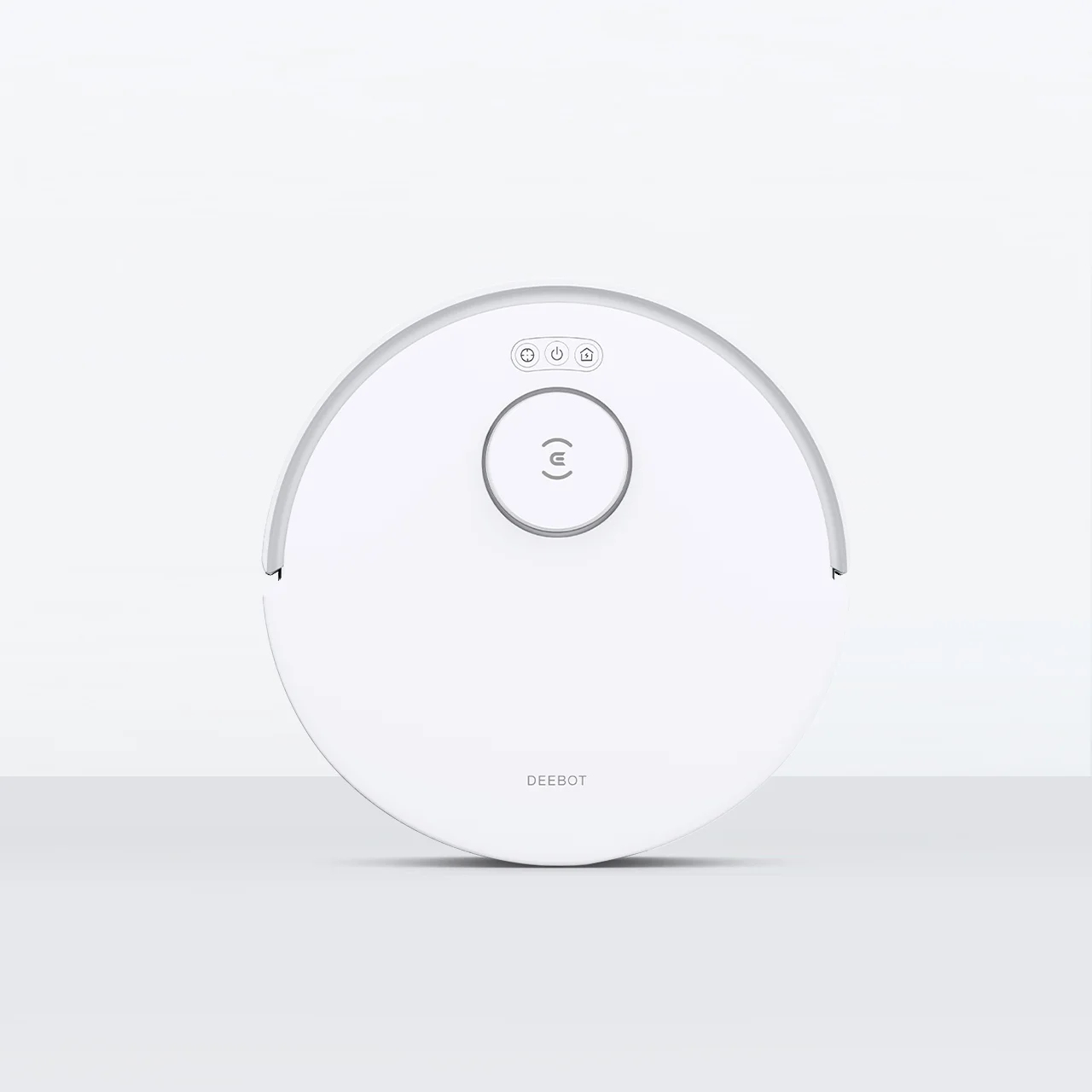
Budget Segment Technical Summary
| Model | Average Price | Suction Power (Pa) | Navigation | Battery Life | Special Feature |
|---|---|---|---|---|---|
| Roborock Q7 Max | $280 | 4,200 | LiDAR 360 | 180 min | JawScrapers System |
| Ecovacs Deebot N20 | $199 | 8,000 | LiDAR TrueMapping | 300 min | Record Endurance |
| Eufy RoboVac 11S | $149 | 1,300 | Infrared | 100 min | Height 7.25 cm |
The Intermediate Segment: Maintenance Autonomy
This is where manual bin emptying ends. Innovation is no longer just about having a dock, but reducing consumable costs.
Technical Evaluation
- Ecovacs Deebot N20 Plus: This model introduces a bagless PureCyclone station. Its cyclonic separation technology ensures constant suction power, whereas a traditional bag chokes air flow as it fills. This represents significant yearly savings on consumables.
- Dreame D20 Pro Plus (referenced under code 6977328068590): With 13,000 Pa and a DuoBrush system, it targets carpets effectively. Its Smart Pathfinder navigation uses structured light for obstacle avoidance, crucial for preventing cord blockages.
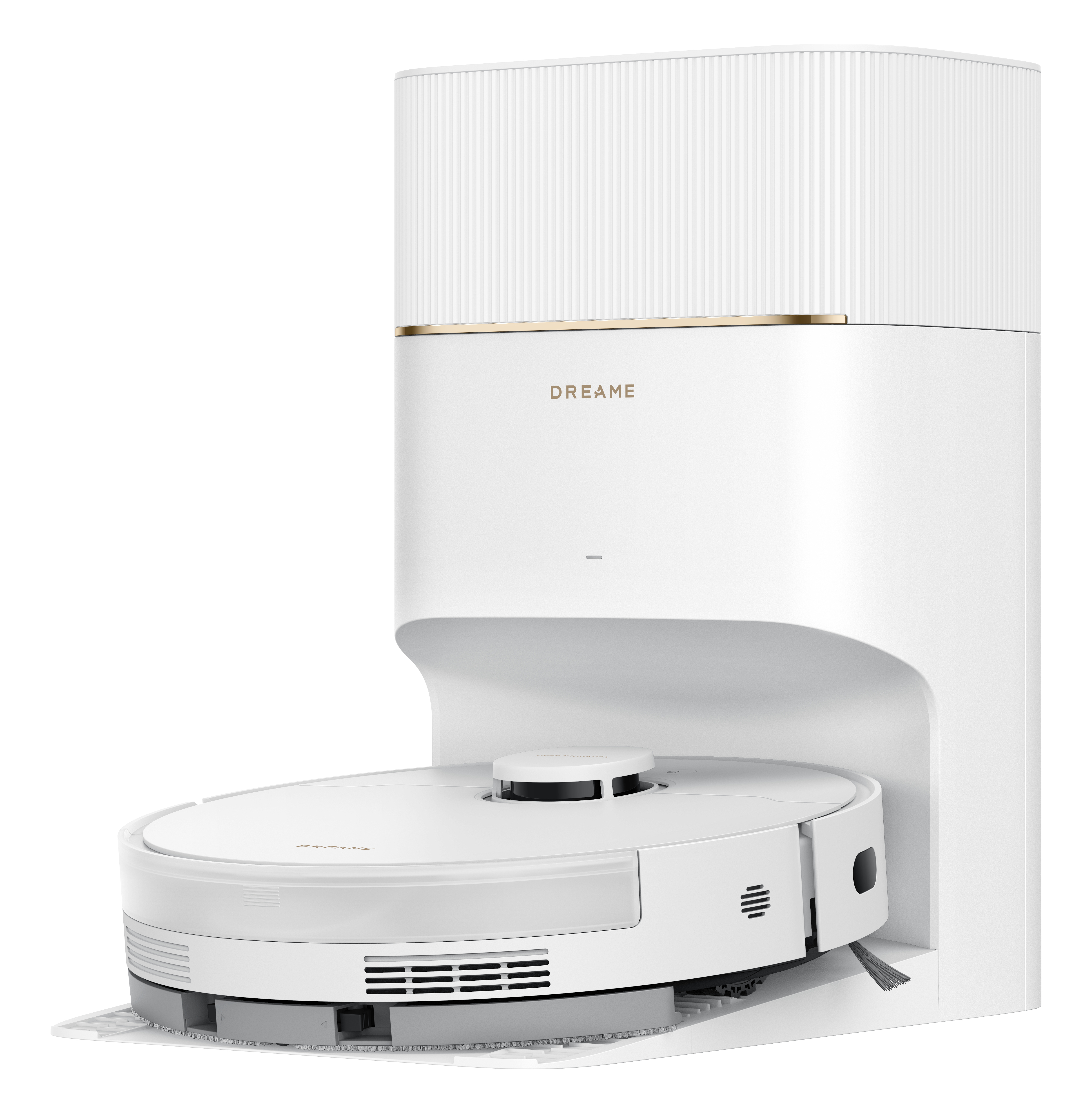
Mopping Analysis: Passive vs Active Mopping
At this price, mopping remains mostly basic. The vibrating system on some intermediate models is the minimum required for real results on dry stains. Below this (passive pads), it only freshens the floor without physical scrub. For full automation including self-washing, you must target the premium segment.
The Entry-Level Premium Segment: Complete Automation
This boundary offers robots managing the full cycle: self-emptying, mop washing, and mop drying.
Differentiators Demonstration
- Dreame L10s Ultra Gen 2: This model shows an excellent repairability index, a critical metric for long-term investment. It integrates MopExtend technology with an articulated arm that extends the mop to reach baseboards.
- Eufy Omni C20: A serious alternative focusing on mechanical pressure. Its mops exert significant force on the floor to lift stubborn stains, supported by an anti-tangling main brush.

Station Capabilities Comparison
| Model | Self-Empty | Hot Water Wash | Hot Air Dry | Auto-Water Refill | Price |
|---|---|---|---|---|---|
| Dreame L10s Ultra Gen 2 | Yes | No (Cold) | Yes | Yes | $299 |
| Dreame D20 Pro Plus | Yes | No | No | No | $249 |
| Ecovacs Deebot N20 | No | No | No | No | $199 |
Maintenance and Operating Costs
Technical sheets often hide the real cost of ownership. Between filters, side brushes, and bags, plan for a yearly budget. The lack of bags on cyclonic stations is a major advantage here.
Point of caution: Under $500, obstacle avoidance often relies on simple sensors rather than a full visual AI. Prior floor tidying remains necessary. Also, cliff sensor durability is a critical point: regular cleaning is required to prevent navigation errors.
Our Verdict: Strategic Recommendations
- Hard Floors & Budget: Ecovacs Deebot N20
The value champion. Its 5,200 mAh battery and LiDAR navigation make it perfect for large spaces without carpets for a price of $199.
- Pets & Carpets: Dreame D20 Pro Plus
To extract dust on carpets, its 13,000 Pa is highly effective. Its DuoBrush reduces hair wrap maintenance.
- Zero Maintenance: Dreame L10s Ultra Gen 2
The automatic self-cleaning and self-emptying station is a decisive benefit for users seeking minimum effort for only $299.
Final analysis: 2026 marks the end of the premium price tag. LiDAR navigation is now standard. Future trends point towards recessed sensors, letting robots clean under low spaces without losing map precision.