
.png)
Philips Hue vs WiZ in 2026: The Lighting Giants Comparison for Your Smart Home
In 2026, smart lighting has evolved from a simple gadget into the nervous system of our homes. Yet, we have all experienced that rude awakening at 3 AM: a micro power outage, and suddenly all the bedroom lights turn back on at 100% brightness. This kind of historical bug, combined with the complexity of choosing between a premium setup or a more affordable solution, defines today's smart home dilemma.
At the heart of this market, two sister brands rule under the aegis of their parent company, Signify: Philips Hue, the gold standard of premium lighting, and WiZ, the agile challenger shaking up the rules. Here is our complete analysis to help you arbitrate this clash of titans.
WiZ SpaceSense™: Your Lights Create an Invisible Motion Map
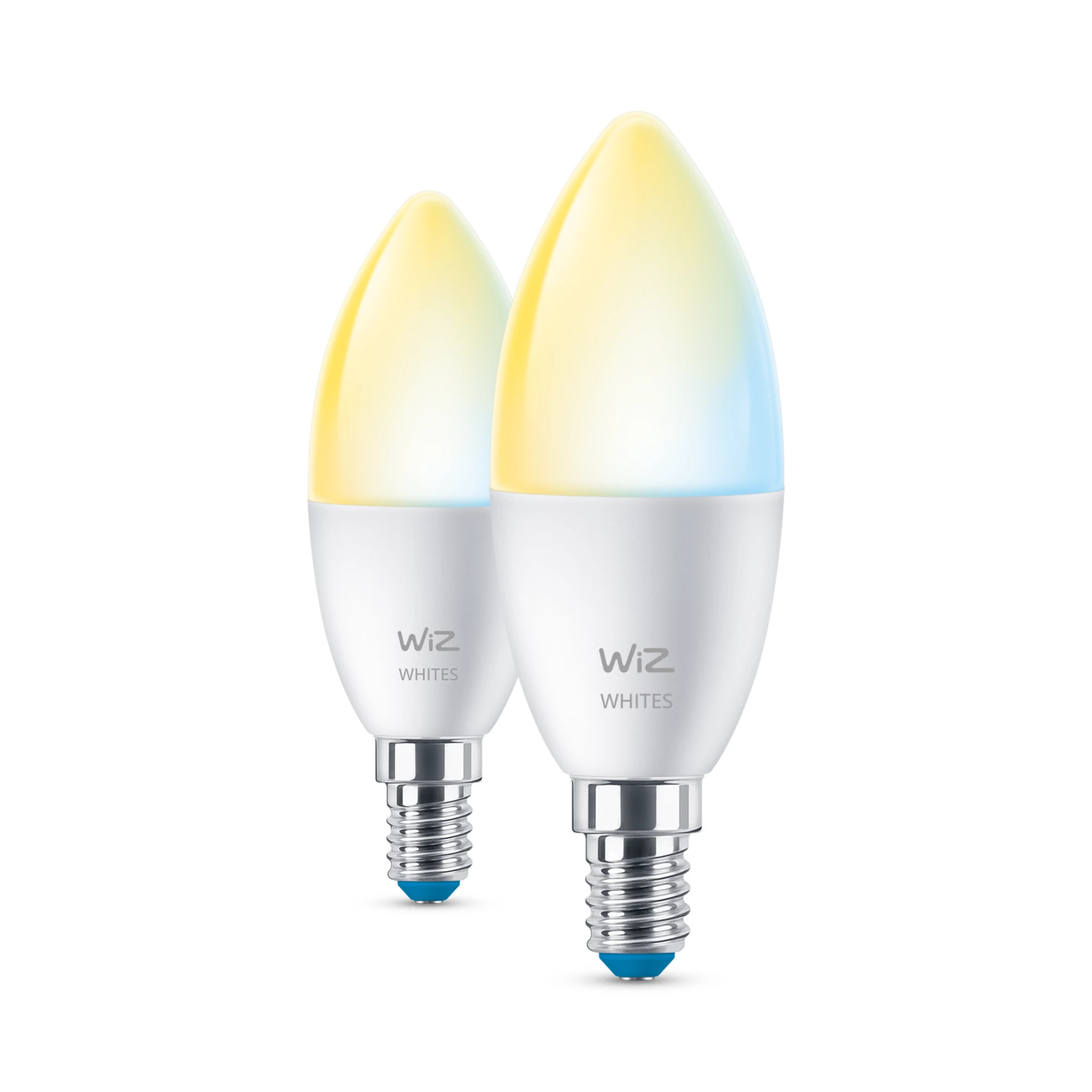
WiZ utilizes SpaceSense™ software technology, using existing Wi-Fi waves to detect movement by analyzing signal disruptions.
As Danny, Head of Product Management at WiZ, explains:
"We have turned any compatible WiZ device into the most subtle and integrated motion sensor in the world... It's a feature that feels like magic."
This 360-degree detection works without physical sensors, requiring only two compatible bulbs placed at least two meters apart in the same room.
Philips Hue Bridge Pro: The Smart Local Hub for Your Network
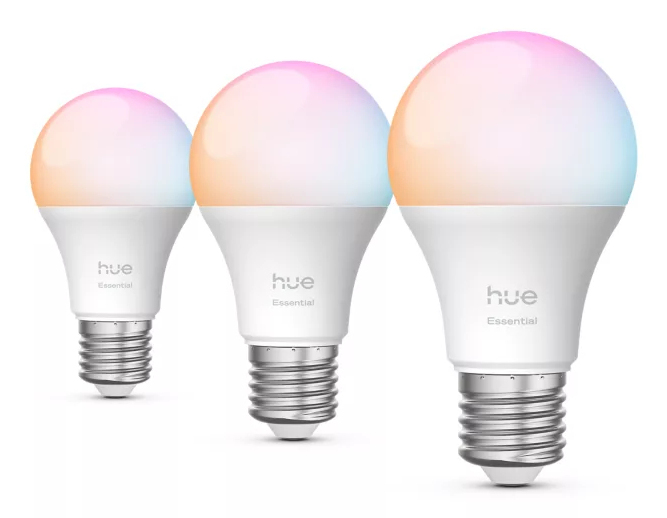
On the other hand, Philips Hue brings hardware reliability with the Bridge Pro. This local smart home hub handles your entire lighting system locally rather than in the cloud.
Its key feature, MotionAware™, allows you to use your existing bulbs as motion detectors. It is compatible with 95% of the existing Philips Hue catalog without needing new lamps. Calculations are processed locally on the hub for fast response times and reliable security.
Key features of the Bridge Pro:
- High Capacity: Control up to 150 lights and 50 accessories.
- Expanded Memory: Support for up to 500 custom scenes.
- Network Security: Robust encryption using the Zigbee protocol.
Protocol Battle: Zigbee (Mesh) vs Wi-Fi (Direct)
The choice between these two brands depends mainly on your home network architecture.
| Ecosystem / Brand | Main Strong Point | Major Drawback | Typical User Profile |
|---|---|---|---|
| Philips Hue (Zigbee) | Rock-solid mesh network that gets stronger with each added bulb | Requires a dedicated bridge (Bridge Pro) to function | Large homes and advanced smart home setups |
| WiZ (Wi-Fi) | Works without any bridge (connects directly to Wi-Fi) | Risks router saturation when exceeding 20 bulbs | Apartments and simpler setups |
While WiZ's Wi-Fi connection is perfectly suited for apartments, Philips Hue's Zigbee protocol remains the standard for large properties. In a Mesh network, every bulb acts as a signal repeater, preventing network congestion on your main home router.

Practical Everyday Intelligence
Both brands offer solutions to deal with standard light switch interruptions.
With Philips Hue, the power-on behavior feature lets you define whether the bulb stays off or returns to its last active state after a power outage. Note that the bulb takes a few seconds to store its status in memory.
On the other side, WiZclick allows you to use your regular wall switch to toggle modes. By flipping the switch once or twice quickly, you toggle between your two favorite light scenes without needing the mobile app.
TV Sync: Hardware vs Software Solutions
To synchronize your lights with your TV screen, two models compete:
- Dedicated Hardware (Hue Sync Box 8K): Features HDMI 2.1 ports, supporting 8K at 60Hz and 4K at 120Hz. This is the premium option for console gaming and home theater setups.
- Software-Based Sync (Hue Sync TV App): Runs directly on compatible Samsung and LG TVs, saving you from buying a physical box via a paid subscription or app purchase.
- Budget Option (WiZ HDMI Sync Box): Limited to 4K resolution, it offers effective color synchronization at a lower price point, ideal for casual use.
Which System to Choose?
The universal Matter standard simplifies compatibility between both brands.
- Opt for Philips Hue if you want the high stability of a Zigbee mesh network, a wide range of accessories, and the reliable local control of the Bridge Pro for large setups.
- Choose WiZ if you want easy Wi-Fi connectivity with no hub required, innovative software features like SpaceSense™, and a more accessible price point.